
Executive Summary
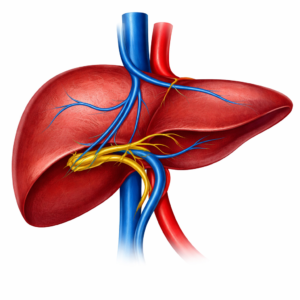
This paper examines the therapeutic role of Essential Phospholipids (EPLs) in liver health, particularly their efficacy in managing conditions such as NAFLD, ALD, and hepatitis. Composed mainly of phosphatidylcholine, EPLs help repair liver cell membranes, reduce inflammation, and regulate lipid metabolism.
EPLs exhibit antioxidant, anti-inflammatory, and antifibrotic properties, supporting liver regeneration and improving metabolic function. Clinical studies highlight their ability to enhance liver function and reduce hepatic fat accumulation, especially in NAFLD and ALD.
Typical dosing ranges from 600 to 1,800 mg daily, administered orally or intravenously. EPLs are well-tolerated with a strong safety profile. The paper concludes that EPLs offer a compelling strategy for both treatment and prevention of liver disorders, with ongoing research continuing to expand their clinical potential.
Introduction
The liver plays a central role in detoxification, metabolism, lipid regulation, and protein synthesis. However, modern lifestyle factors – such as poor diet, alcohol use, and environmental toxins have led to a rise in liver conditions including NAFLD, ALD, hepatitis, and DILI. Current treatments often manage symptoms, underscoring the need for safe, regenerative therapies.
Essential phospholipids (EPLs), especially phosphatidylcholine, are emerging as promising agents for liver support. Their structural similarity to hepatocyte membranes enables them to repair damaged cells, reduce inflammation, and restore liver function.
This whitepaper explores the mechanisms and therapeutic potential of EPLs as a natural, evidence based approach for both treating liver disease and protecting at-risk individuals.
What are Essential Phospholipids?
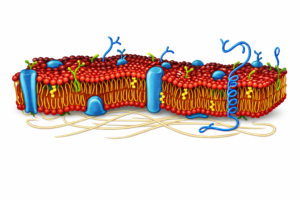
Essential phospholipids (EPLs) are purified extracts rich in phosphatidylcholine, a key structural component of cell membranes. As amphipathic molecules, phospholipids form the bilayer architecture essential for membrane integrity and function.
In hepatocytes, they maintain membrane fluidity, support enzyme function, mediate signaling, and regulate nutrient transport. Therapeutic EPLs – typically derived from soybeans, egg yolk, or sunflower seeds integrate into damaged liver cell membranes, aiding in repair and regeneration.
In addition to structural support, EPLs offer antioxidant, anti-inflammatory, and lipid-modulating benefits. Their safety, biocompatibility, and multifaceted action make them a strong candidate for both therapeutic and preventive liver care.
Mechanism of Hepatoprotection by Essential Phospholipids (EPLs)
1. Membrane Stabilization and Repair
Phospholipid incorporation: EPLs integrate into the damaged hepatocyte membranes, restoring membrane fluidity, integrity, and function.
Membrane bound enzyme activity: Normalization of the function of enzymes embedded in hepatocyte membranes (e.g., ATPases) enhances cellular transport and metabolism.
2. Antioxidant and Anti-inflammatory Effects
EPLs reduce oxidative stress by stabilizing membranes against lipid peroxidation.
They modulate cytokine production (e.g., lowering TNF-α), reducing hepatic inflammation.
3. Fat Metabolism Regulation
Promote lipid export from hepatocytes via VLDL synthesis, reducing steatosis (fat accumulation).
Enhance β-oxidation of fatty acids in mitochondria.
4. Antifibrotic Action
Inhibit hepatic stellate cell activation, which plays a central role in liver fibrosis.
Reduce collagen deposition, slowing or reversing liver fibrosis.
5. Regeneration Support
Stimulate regeneration of hepatocytes and improve their capacity to recover from injury. Enhance protein and phospholipid synthesis, which supports liver recovery.
Applications
- Liver Health Support: Used to protect and repair liver cells in conditions like fatty liver, hepatitis, and cirrhosis.
- Hepatoprotective Therapy: Helps prevent liver damage from toxins, alcohol, and medications.
- Liver Regeneration: Promotes the regeneration of liver cells and improves liver function.
- Fatty Liver Disease: Supports the management of non-alcoholic fatty liver disease (NAFLD) and alcoholic fatty liver disease (AFLD).
- Detoxification: Aids in the liver’s detoxification processes, enhancing overall liver function.
Representative Clinical Findings
Extensive research supports the hepatoprotective effects of phosphatidylcholine (PC), particularly in the form of highly purified polyenylphosphatidylcholine (PPC) from soy. PC helps counteract liver damage from alcohol, toxins, and viruses by restoring cell integrity and reducing inflammation.
EPLs are highly bioavailable, aid nutrient absorption, and support liver regeneration. Clinical studies show that oral EPLs improve liver function and reduce toxicity in conditions such as fatty liver, hepatitis, and cirrhosis – both as standalone therapy and in combination with vitamins or herbal extracts.
Essential Phospholipids in Nonalcoholic Fatty Liver Disease
Clinical Summary
| Category | Details |
| Study Overview | 53 clinical studies (45 since 2000); oral dosing of 1.05–1.8 g/day for 3–6 months |
| Patient Population | NAFLD/NASH patients, often with obesity, type 2 diabetes, or metabolic syndrome |
| Administration | Mostly oral; some studies used initial short-term IV EPL |
Key Findings
| Area | Outcome |
| Metabolic Benefits | Improved lipid profiles
Increased insulin sensitivity in some studies |
| Comparative Efficacy | Equal or better efficacy vs. metformin, red yeast rice, UDCA |
| Synergistic Effects | Combination therapy with UDCA, silybin, or vitamins was more effective than EPL monotherapy |
Clinical Conclusion: EPL therapy, especially at 1.8 g/day, shows consistent benefits in improving liver function, reducing steatosis, and enhancing biochemical markers in NAFLD/NASH patients, with added benefits when combined with other therapies.
Essential Phospholipids in Alcohol-Associated Liver Disease
Clinical Summary
| Category | Details |
| Study Overview | 30 clinical studies since 1988
17 conducted since 2000 Mix of open-label, single-blind, and double-blind trials |
| Dosage | Oral: 1.8 g/day (commonly used)
Initial IV dosing: 500–1,000 mg/day in some studies |
| Treatment Duration | 4 weeks to 6 months
Up to 2 years in long-term studies |
Clinical Benefits
| Outcome Area | Findings |
| Survival | Improved survival trend in severe ALD (e.g., Panos et al.) |
| Liver Enzymes & Function | Significant improvement in ALT, AST, bilirubin compared to placebo |
| Histological Changes | Stabilized liver histology (prevented worsening)
Reduced steatosis and fibrosis |
| Metabolic Improvements | Lowered blood glucose, insulin levels, and insulin resistance |
Meta-Analysis Highlights
| Finding | Result |
| Overall Efficacy Rate | 83.5% vs. 41.7% in placebo (P = 0.03) |
| Histology Worsening Prevention | Statistically significant (P = 0.02) |
| Safety | No serious adverse events reported |
| Meta-Analysis Outcome | Favorable across 9 RCTs (P < 0.0001) |
Clinical Conclusion: EPL demonstrates clinically significant benefits in managing ALD – improving liver enzymes, stabilizing histology, reducing fibrosis, and enhancing survival trends especially in abstinent or partially abstinent patients. It is safe and well-tolerated.
Dosing & Safety of Essential Phospholipids
| Use Case / Condition | Typical Dosage & Duration | Notes / Examples |
| General Liver Protection / Hepatoprotective Therapy | 600–1,800 mg/day (ongoing / as needed) | Frequently recommended dose: 1,200 mg/day |
| Chronic Liver Disease (Cirrhosis, Hepatitis) | 1,200–2,400 mg/day (ongoing / chronic therapy) | Essentiale Forte: 300 mg/capsule → 1–2 capsules 3× daily |
| Alcoholic Liver Disease (ALD) | 1,800 mg/day (up to 3 months) | Higher doses may support liver function improvements |
| Non-Alcoholic Fatty Liver Disease (NAFLD) | 1,200–2,400 mg/day (up to 6 months) | Shown to improve liver enzyme levels over time |
Examples of Marketed Products
| Brand | Region | Indication | Photos |
| Essentiale (Forte) | DE, FR, RU, VN, CN | Hepatitis, fatty liver, ALD | |
| Rezalut Pro | IT, PL, TR, KR | NAFLD, lipid metabolism disorders | |
| Phoschol | US | Liver detox, fibrosis, cholestasis | |
| Phosphogliv | RU | Hepatitis, liver inflammation, viral liver injury | |
| Esseliv | PL, UA, RO | Liver regeneration, detoxification |
Representative Customers using VAV’s Phospholipids for Hepatoprotection
| Customer Description | Market / Region | Route of Administration |
| Eastern European Multinational | CIS Region | Parenteral & Oral |
| European Pharma Injectables Innovator | Western Europe | Parenteral |
| Indian Multinational Generics Manufacturer | South Asia | Oral |
| Global Pharmaceutical CDMO | Western Europe | Oral |
| Trusted European Generics Manufacturer | Central Europe | Oral |
| Indian Pharma Generics CDMO & Exporter | South Asia | Oral |
| Liver Health and Wellness Innovator | North America | Oral |
Conclusion
Essential Phospholipids (EPLs) offer a comprehensive and evidence-based approach to liver health. By integrating into damaged hepatocyte membranes, modulating inflammation, reducing oxidative stress, and regulating lipid metabolism, EPLs support liver regeneration and protect against further damage.
Clinical studies demonstrate their efficacy in improving liver function, reducing steatosis, and enhancing metabolic health across conditions such as NAFLD, ALD, hepatitis, and cirrhosis. EPLs also show synergistic potential when combined with other hepatoprotective agents.
With their strong safety profile, high bioavailability, and multifaceted benefits, EPLs represent a promising natural therapy for both prevention and management of liver disease. As research continues to evolve, EPLs are well-positioned to become an integral part of modern hepatology.
References
- Minárik, P., & Koscova, E. (2021). Essential phospholipids in fatty liver diseases. EFSM, 2021(1), 210346.
- Gundermann, R. B. (2009). Leadership in healthcare. Springer London.
- Gundermann, K.-J., Gundermann, S., Drozdzik, M., & Prasad, V. G. M. (2016). Essential phospholipids in fatty liver: A scientific update. Clinical and Experimental Gastroenterology, 9, 105–117.
- Kedia, A. (2022, May 16). Essential phospholipids hold promise in the treatment of fatty liver disease. Healthcare Radius.