Pharmaceutical Applications
How lipid excipients enable formulation, delivery and therapeutic performance
Emulsifiers
The lipophilic fatty acids and hydrophilic phosphoric acid based esters together contribute an amphiphilic character. They are bipolar and act as an emulsifying agent.
- Natural emulsifiers
- Have self emulsifying property
- Far better tolerated than ethoxylated emulsifiers or any other alternatives
- They are multifunctional and can be used in both o/w and w/o emulsions
- Form stable emulsions
Liposomal Agents
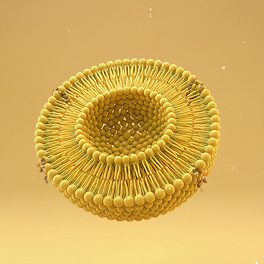
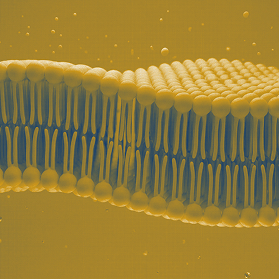
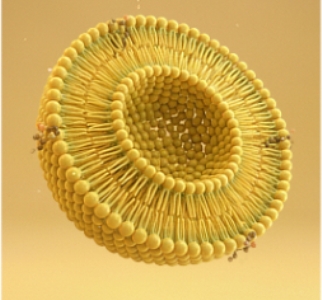
Phospholipids when hydrated have a unique property of self assembling into vesicles. These vesicles known as LIPOSOMES are promising systems for drug delivery and can be unilamellar (single phospholipid bilayer) or multilamellar (two or more phospholipid bilayers). They can encapsulate both, drugs and phyto-actives or phytonutrients.
They are highly biocompatible, biodegradable with no toxicity & high aptitude to entrap both hydrophilic and hydrophobic drugs and have site specific drug delivery.
Total Parenteral Nutrition
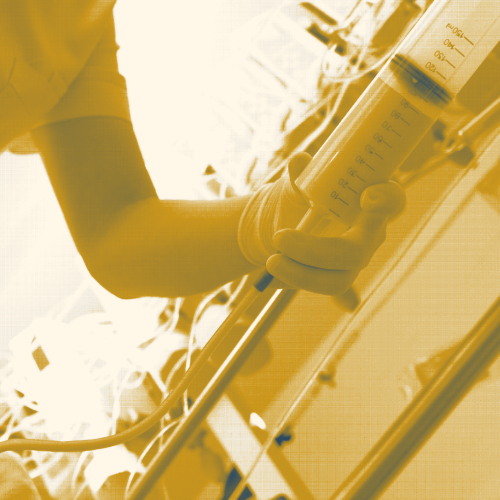
The infusion of lipid emulsions allows a high energy supply, facilitates the prevention of high glucose infusion rates and is indispensable for the supply with essential fatty acids. Egg phospholipids are used to emulsify 10-30% oil-in-water emulsions for parenteral nutrition. The major components of lipid emulsions are essential omega-3 fatty acids (alpha-linolenic acid, DHA, EPA) and omega-6 fatty acids (linoleic acid, arachidonic acid).
Dermatology
- Phospholipids improve skin condition by increasing hydration level of skin and integrity of the stratum corneum
- They do not disrupt the skin defence mechanism and structure
- Enhances penetration of individual lipid components into stratum corneum and subsequent alteration of the intercellular lipid matrix within the skin
- Improves the stability of unstable compounds
- Localized skin delivery
Hepatoprotection
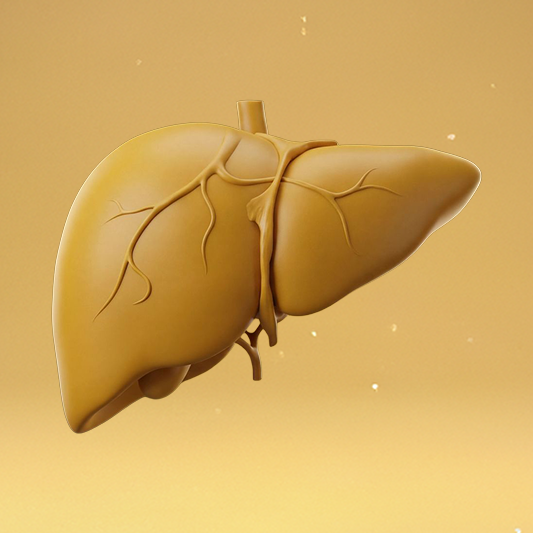
Essential phospholipids (EPL) are a combination of unsaturated fatty acid phospholipids from natural sources like soybean or sunflower.
- A superior protectant against liver damage
- Against alcoholic & non alcoholic fatty liver
- Against other liver toxins
Cardioprotection
Phosphatidylcholine (PC) plays an important role in lipid transport and cholesterol metabolism. It supports the conversion of immature HDL into mature HDL particles, aiding reverse cholesterol transport and helping maintain healthy lipid balance. These mechanisms are relevant in managing atherogenic lipid profiles and cardiovascular risk. Purified forms of PC have been studied in both oral and parenteral applications for cardiovascular support.
Targeted Drug Delivery
Smart drug delivery system
- Increases accumulation of liposomal formulations in the desired cells and tissues, by using the targeted liposomes including surface-attached ligands such as; antibodies, folates, peptides and transferrin that are capable of recognizing and binding to the desired diseased cells, leaving healthy cells intact
- Beneficial for stabilizing therapeutic compounds, overcoming obstacles to cellular and tissue uptake and improving biodistribution of compounds to target sites in vivo
Biologics Delivery (including Vaccines)
Lipids nano-encapsulate genetic material to enhance vaccine immunogenicity and enable advanced vaccine delivery systems, including mRNA-based COVID-19 vaccines. These lipid systems support adaptive immune responses across a wide range of pathogens. Lipid Nanoparticle (LNP) Based Vaccines:
- Enable sustained delivery through natural, biodegradable carrier systems
- Allow rational customization of particle size, charge, surface characteristics and site-specific targeting for optimal delivery of antigens, actives and mRNA
Lipid Solutions for Health and Science
Explore VAV’s product finder to identify lipid solutions tailored to your application, formulation needs, and industry requirements.
PHARMACEUTICALS
NUTRITION & HEALTH
COSMETIC & PERSONAL CARE
